- English
- 简体中文
- Español
- Português
- русский
- Français
- 日本語
- Deutsch
- tiếng Việt
- Italiano
- Nederlands
- ภาษาไทย
- Polski
- 한국어
- Svenska
- magyar
- Malay
- বাংলা ভাষার
- Dansk
- Suomi
- हिन्दी
- Pilipino
- Türkçe
- Gaeilge
- العربية
- Indonesia
- Norsk
- تمل
- český
- ελληνικά
- український
- Javanese
- فارسی
- தமிழ்
- తెలుగు
- नेपाली
- Burmese
- български
- ລາວ
- Latine
- Қазақша
- Euskal
- Azərbaycan
- Slovenský jazyk
- Македонски
- Lietuvos
- Eesti Keel
- Română
- Slovenski
- मराठी

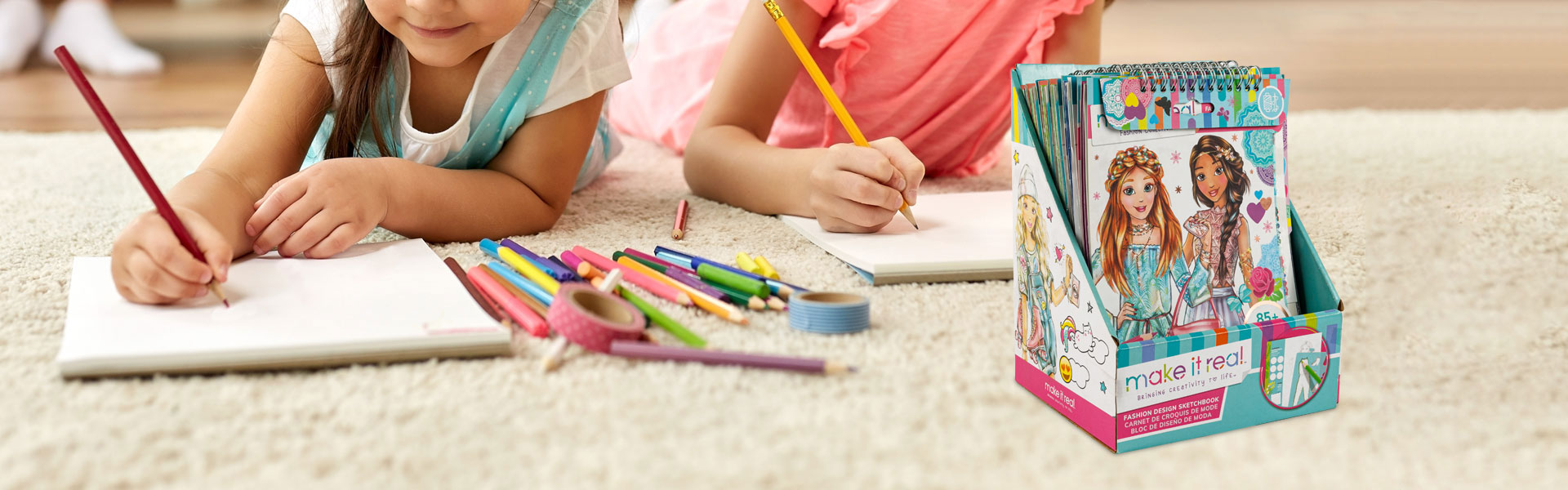
How Do Window Paper Boxes with Toys Shape Product Presentation in Today’s Retail Market?
Window Paper Boxes with Toys have become a defining element in contemporary toy packaging, combining structural protection with visual merchandising. This packaging format integrates a durable paper-based box with a transparent window, allowing consumers to view the toy without opening the package. The central focus of this article is to examine how Window Paper Boxes with Toys are designed, specified, and applied across global markets, and how this packaging format aligns with evolving retail, branding, and consumer behavior expectations.
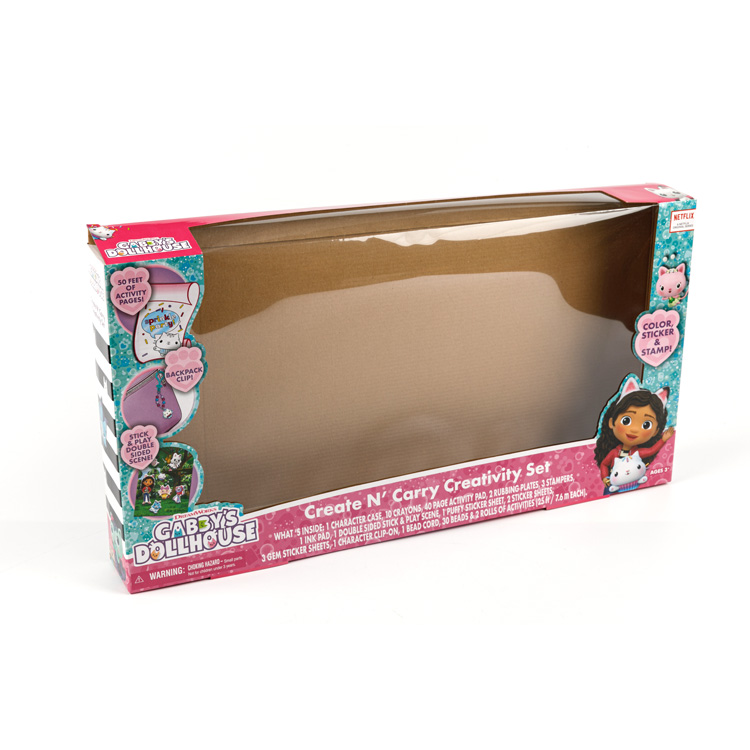
From specialty toy stores to large-scale retail chains and e-commerce platforms, packaging is no longer limited to containment. It plays a decisive role in shelf differentiation, perceived value, and purchasing decisions. A window paper box supports these objectives by balancing sustainability-oriented materials with visibility and presentation clarity.
Technical Parameters and Structural Specifications
A Window Paper Box with Toys is defined by its material composition, structural integrity, and compatibility with a wide range of toy categories. Precision in these parameters ensures consistency in quality, logistics efficiency, and regulatory compliance across different markets.
Key Product Parameters
| Parameter Category | Specification Details |
|---|---|
| Base Material | White cardboard, kraft paperboard, or coated paperboard |
| Paper Thickness | 250–400 GSM (customizable based on toy weight) |
| Window Material | PET, PVC, or biodegradable transparent film |
| Printing Method | Offset printing, CMYK or Pantone color matching |
| Surface Finish | Glossy lamination, matte lamination, aqueous coating |
| Box Structure | Tuck-end, auto-lock bottom, hanger-style, custom die-cut |
| Customization | Size, window shape, internal inserts, branding graphics |
| Compliance | ASTM F963, EN71, CPSIA-ready packaging standards |
These specifications are selected to maintain structural stability while supporting high-quality printing and die-cut accuracy. The transparent window is typically positioned to highlight the toy’s most recognizable feature, reinforcing visual recognition at the point of sale.
In logistics and warehousing contexts, window paper boxes are optimized for stacking and shipping efficiency. Flat-packed delivery reduces transportation volume, while pre-glued or auto-lock designs streamline final assembly during packing operations.
Market Application and Packaging Logic
The widespread adoption of Window Paper Boxes with Toys is driven by their adaptability across multiple retail scenarios. Brick-and-mortar retail environments prioritize visibility and shelf impact, while online platforms require packaging that photographs well and maintains product integrity during shipping.
From a merchandising standpoint, transparent windows reduce uncertainty for buyers by providing immediate visual confirmation of the toy’s design, scale, and color. This is particularly relevant in categories such as educational toys, collectible figures, plush toys, and themed playsets, where visual detail strongly influences purchase intent.
In terms of branding, paper-based packaging offers a broad printable surface area. This allows for consistent storytelling, regulatory information placement, and multilingual labeling without compromising design clarity. The window element complements this by acting as a focal point rather than a distraction, ensuring the packaging communicates both form and content effectively.
As consumer expectations continue to evolve, packaging formats that integrate recyclability, tactile appeal, and visual transparency are increasingly favored by retailers seeking alignment with responsible sourcing initiatives and premium positioning strategies.
Common Questions About Window Paper Boxes with Toys
Q1: How does a window paper box support toy visibility without compromising protection?
A window paper box integrates a transparent film that is securely sealed within the paperboard structure. This design allows consumers to see the toy clearly while maintaining a protective barrier against dust, handling, and external pressure. Internal inserts or molded paper trays are often used to stabilize the toy, ensuring it remains fixed during transport and display.
Q2: How are window paper boxes adapted for different toy sizes and shapes?
Window paper boxes are produced using custom die-cut tooling, enabling precise adjustments to box dimensions, window placement, and internal supports. This flexibility allows manufacturers to accommodate a wide range of toy geometries, from compact figurines to multi-component playsets, without altering the fundamental packaging concept.
Production Considerations and Quality Control
Manufacturing consistency is a critical factor in large-scale packaging deployment. Window Paper Boxes with Toys require alignment between printing accuracy, die-cut precision, and window film adhesion. Quality control processes typically include color consistency checks, material strength testing, and drop-test simulations to ensure the box performs reliably throughout the supply chain.
In addition, packaging suppliers must account for regional compliance requirements, including safety labeling, material certifications, and recyclability markings. These considerations are integrated during the design phase to prevent downstream adjustments that could delay market entry.
Brand Integration and Long-Term Packaging Strategy
In a competitive retail landscape, packaging functions as a silent brand ambassador. Window Paper Boxes with Toys offer a balanced platform for brand identity expression and product transparency. Over time, consistent use of this packaging format helps establish visual recognition and reinforces trust between brands and consumers.
Starlight has positioned its Window Paper Box with Toys solutions to meet the expectations of global brands seeking reliable packaging performance and adaptable design frameworks. By aligning material selection, structural engineering, and print execution, Starlight supports scalable packaging strategies across diverse toy categories.
For businesses evaluating packaging upgrades or new product launches, engaging with an experienced packaging partner is a strategic step. To explore specifications, customization options, or production timelines for Window Paper Boxes with Toys, interested parties are encouraged to contact us directly for detailed consultation and support.