- English
- 简体中文
- Español
- Português
- русский
- Français
- 日本語
- Deutsch
- tiếng Việt
- Italiano
- Nederlands
- ภาษาไทย
- Polski
- 한국어
- Svenska
- magyar
- Malay
- বাংলা ভাষার
- Dansk
- Suomi
- हिन्दी
- Pilipino
- Türkçe
- Gaeilge
- العربية
- Indonesia
- Norsk
- تمل
- český
- ελληνικά
- український
- Javanese
- فارسی
- தமிழ்
- తెలుగు
- नेपाली
- Burmese
- български
- ລາວ
- Latine
- Қазақша
- Euskal
- Azərbaycan
- Slovenský jazyk
- Македонски
- Lietuvos
- Eesti Keel
- Română
- Slovenski
- मराठी

How Do Sanitary Bags Improve Hygiene Standards and Shape Future Washroom Trends?
Sanitary bags play a critical role in maintaining cleanliness, preventing plumbing blockages, and ensuring a hygienic environment in both commercial and residential washrooms. As public awareness of hygiene increases and facility-management standards continue to rise, the demand for reliable sanitary bag solutions grows rapidly.
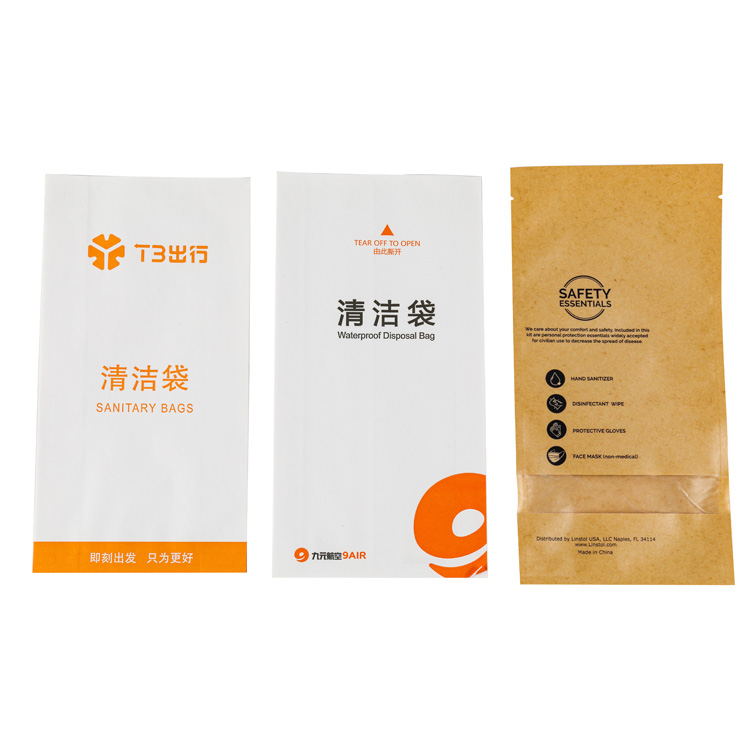
Sanitary bags are disposable collection bags designed for hygienic disposal of feminine hygiene products, baby diapers, small medical waste, incontinence items, and other sensitive materials. They not only protect washroom plumbing but also reduce odor, limit contamination risks, and provide a more pleasant experience for users. As facility managers aim to comply with international sanitation standards, the selection of high-quality sanitary bags becomes essential.
Below is a professional breakdown of the typical specifications and parameters required when evaluating sanitary bags for washrooms, hotels, airports, hospitals, malls, and corporate buildings.
Key Product Parameters of Sanitary Bags
| Parameter | Specification Range / Options |
|---|---|
| Material Options | HDPE, LDPE, biodegradable PLA, recycled PE, paper-based compostable |
| Bag Thickness | 8–30 microns depending on durability and load requirements |
| Standard Sizes | 220×120 mm, 240×130 mm, 260×150 mm, customizable |
| Color Options | White, natural, transparent, black, custom pantone |
| Closure Type | Self-adhesive strip, flip-top, drawstring, open-top |
| Packaging Format | Flat-packed, boxed dispensing, roll-type, wall-mounted refill packs |
| Printing Capabilities | Single-color to multi-color flexo/offset printing, customized branding |
| Odor-Control Options | Scented variants, deodorizing film |
| Compliance Standards | ISO hygiene packaging standards, EN 13432 (for compostable bags), SGS testing available |
These specifications ensure that facility managers can choose sanitary bags aligned with hygiene requirements, environmental policies, and brand positioning.
The central theme of this article is to explore how sanitary bags enhance hygiene practices, what benefits they deliver, and how future technological and sustainability trends will reshape the product landscape.
How Sanitary Bags Improve Hygiene and User Experience
Sanitary bags offer multiple advantages that extend beyond simple waste containment. Their design, materials, and dispensing format significantly influence hygiene performance inside washrooms.
Hygiene Enhancement Through Design
-
Prevents Cross-Contamination: By providing an immediate disposal option, sanitary bags limit contact between users and waste bins.
-
Reduces Odor: Multi-layer films and odor-control additives help eliminate unpleasant smells.
-
Promotes Cleanliness: Encourages proper disposal of feminine hygiene and medical waste, preventing flushing-related issues.
Operational and Maintenance Benefits
-
Prevents Plumbing Damage: Reduces the risk of clogs caused by improper disposal in toilets.
-
Reduces Cleaning Time: Maintenance staff spend less time dealing with loose waste or messy bins.
-
Improves Facility Reputation: Cleanliness contributes to positive customer perception, especially in hotels, malls, and office buildings.
Sustainability Progress in the Sanitary Bag Industry
Eco-friendly materials are becoming a major trend. Manufacturers now introduce biodegradable, compostable, and recycled-material sanitary bags to match global sustainability goals. These materials offer reduced environmental impact without sacrificing performance.
Why Material Choice Matters
Selecting the right material affects tear resistance, disposal hygiene, odor control, and overall environmental footprint. Biodegradable options are ideal for eco-focused businesses, while HDPE and LDPE remain popular due to their durability and cost-effectiveness.
How to Choose the Right Sanitary Bags for Commercial and Residential Use
Choosing the correct sanitary bag depends on washroom traffic, product application, local waste regulations, and the expectations of end users. The decision also depends on whether the facility prioritizes sustainability, budget, or premium user experience.
Key Considerations When Selecting Sanitary Bags
1. Traffic Level of the Washroom
-
High-traffic locations (airports, malls, hospitals) require thicker, larger, and more durable bags.
-
Private or low-traffic restrooms can use thinner, standard-size options.
2. Waste Type
-
Feminine hygiene waste: Standard HDPE/LDPE with self-seal closure.
-
Baby diapers: Larger capacity bags with odor-blocking features.
-
Light clinical waste: Thicker materials and leak-proof seams.
3. Environmental Policies
Businesses focused on sustainability choose:
-
Compostable PLA bags
-
Paper-based sanitary bags
-
Recycled PE bags
4. Branding Requirements
Custom printing can enhance brand identity in hotels and high-end facilities.
5. Dispenser Compatibility
Matching bag size and packaging type with wall-mounted or countertop dispensers ensures smooth operation.
How Will Sanitary Bags Evolve? Trends Shaping the Future
Sanitary bag demand is projected to grow due to expanding hygiene awareness. Several major trends will transform this category in the years ahead.
Trend 1: Sustainable Materials Dominating Market Preferences
Compostable and biodegradable sanitary bags will increasingly replace traditional plastics as global waste regulations tighten. Brands with eco-friendly product lines will gain stronger footholds.
Trend 2: Odor-Control and Antimicrobial Technologies
Advanced films with odor-neutralizing compounds and antimicrobial treatments are becoming more desirable for hospitals, schools, and corporate offices.
Trend 3: Smart Dispensing Solutions
Future sanitary bag systems may incorporate:
-
Touchless dispensers
-
Usage-count monitoring
-
Automated refill alerts
These technologies support improved facility management efficiency.
Trend 4: Custom Branding and Premium Aesthetics
As user experience becomes a priority for hospitality and commercial venues, sanitary bags will adopt:
-
More attractive packaging
-
Softer materials
-
Better design integration with restroom décor
Trend 5: Global Hygiene Standardization
The industry will continue shifting toward compliance-driven manufacturing, especially for medical and corporate facilities seeking internationally recognized hygiene solutions.
Common Questions About Sanitary Bags (FAQ)
Q1: How should sanitary bags be disposed of to ensure proper hygiene?
A1: Sanitary bags should be sealed completely using the adhesive closure or drawstring, then placed inside a designated waste bin. They must not be flushed to avoid plumbing issues. In commercial environments, sealed sanitary bags should be collected in lined bins and disposed of according to local waste management regulations, ensuring safe handling and minimizing exposure to contaminants.
Q2: How can facility managers determine the correct size and thickness for sanitary bags?
A2: Size and thickness depend on usage volume and the type of waste generated. High-traffic restrooms generally require larger bags with 20–30 microns thickness for durability. Private or low-traffic restrooms can typically use smaller bags around 220–240 mm width with 8–12 microns thickness. The bag must be compatible with existing dispensers and strong enough to resist tearing when filled.
Enhancing Hygiene with Reliable Sanitary Bag Solutions
Sanitary bags have become essential components of modern hygiene management. With advancements in materials, sustainability, and design, they continue to improve user comfort and facility cleanliness. Choosing the right sanitary bag requires evaluating material type, durability, environmental compliance, and intended application. As the market evolves, innovative sanitary bag products will play an even greater role in shaping global washroom standards.
For facilities seeking high-quality, customizable, and environmentally responsible sanitary bag solutions, manufacturers with strong technical capability and printing expertise offer significant advantages. Among these, Ningbo Starlight Printing Co., Ltd. provides professional sanitary bag production with advanced customization options and consistent quality assurance.
For product details, quotations, or customized sanitary bag solutions, contact us to learn more and receive professional support tailored to your facility needs.