- English
- 简体中文
- Español
- Português
- русский
- Français
- 日本語
- Deutsch
- tiếng Việt
- Italiano
- Nederlands
- ภาษาไทย
- Polski
- 한국어
- Svenska
- magyar
- Malay
- বাংলা ভাষার
- Dansk
- Suomi
- हिन्दी
- Pilipino
- Türkçe
- Gaeilge
- العربية
- Indonesia
- Norsk
- تمل
- český
- ελληνικά
- український
- Javanese
- فارسی
- தமிழ்
- తెలుగు
- नेपाली
- Burmese
- български
- ລາວ
- Latine
- Қазақша
- Euskal
- Azərbaycan
- Slovenský jazyk
- Македонски
- Lietuvos
- Eesti Keel
- Română
- Slovenski
- मराठी

How Do Corrugated Boxes Deliver Strength, Efficiency, and Future-Ready Packaging Performance?
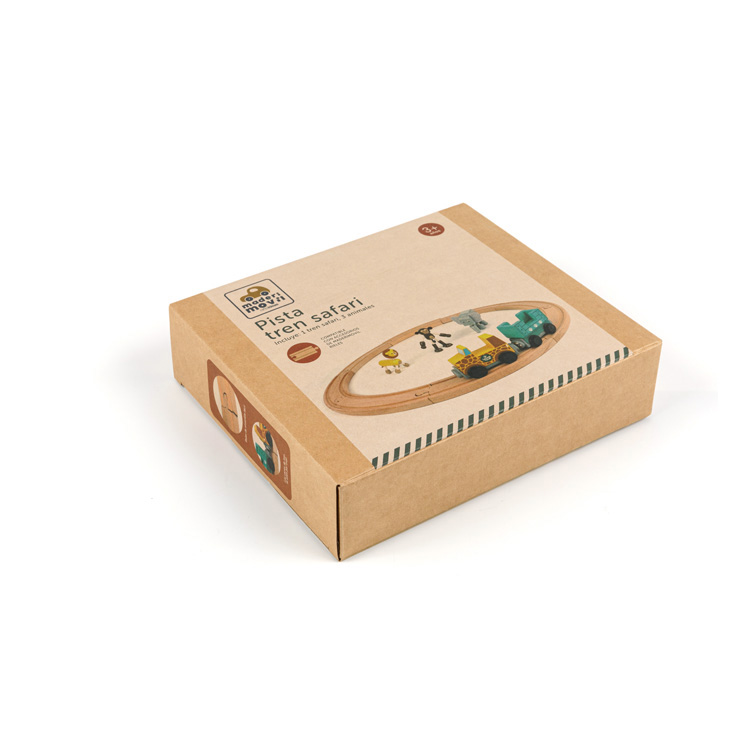
A corrugated box is a structural packaging solution engineered from linerboard and fluted medium, designed to provide high strength-to-weight performance for shipping, storage, and retail display. Its architecture—characterized by air-cushion fluting sandwiched between flat layers—offers superior resistance against compression, impact, and moisture when compared with ordinary carton boxes.
How Are Corrugated Boxes Engineered for Strength and Versatility?
The performance of a corrugated box depends on its board grade, flute type, liner material, and production method. Below is a professional specification summary widely used in international packaging procurement:
Corrugated Box Technical Specifications
| Parameter | Specification Range / Options | Description |
|---|---|---|
| Material | Kraft liner / Test liner / White board | Determines surface quality and structural strength |
| Flute Types | A, B, C, E, F, BC, EB | A-flute for cushioning, B-flute for rigidity, C-flute for general shipping, E/F microflute for printing quality |
| Board Grades | Single-wall, double-wall, triple-wall | Increased layers for heavier loads or industrial items |
| Basis Weight | 90–350 gsm | Defines paper density and durability |
| Bursting Strength | 100–400 lbs | Measures box resistance to rupture |
| Edge Crush Test (ECT) | 23–55+ ECT | Determines stacking strength |
| Printing Methods | Flexo, offset, UV printing | Supports branding, retail, and display use |
| Coatings | Water-based varnish, UV coating, lamination | Increases resistance to moisture, scuffing, or chemicals |
| Customization | Die-cutting, windowing, handles, inserts | Enhances functional performance and user experience |
These parameters ensure that corrugated boxes can match diverse needs—from lightweight consumer goods to high-load industrial shipping.
How Do Corrugated Boxes Deliver Performance Across Strength, Sustainability, and Function?
Corrugated boxes are widely chosen because of their unique mechanical and environmental advantages. Below are the key performance factors and the “how” behind each one:
How does material structure influence strength?
The distinctive fluted core creates vertical rigidity, distributing pressure evenly during stacking and transportation. Multiple flutes provide cushioning, reducing shock impact for fragile items.
How do corrugated boxes enhance logistics efficiency?
-
Lightweight structure reduces freight costs.
-
High compression strength enables double or triple stacking in warehouses.
-
Easy-to-fold designs optimize packing time and labor efficiency.
How does printing technology elevate branding?
Corrugated surfaces support high-resolution printing that promotes brand visibility in retail environments. When combined with UV coatings or laminated surfaces, boxes gain enhanced color vibrancy and scratch resistance.
How do corrugated boxes support sustainability goals?
Corrugated packaging is recyclable, biodegradable, and often produced using renewable fiber. Many manufacturers incorporate post-consumer recycled content without sacrificing performance.
How do box styles influence functionality?
Common structures include:
-
Regular Slotted Cartons (RSC) for universal shipping.
-
Die-cut Boxes for precision-fit retail packaging.
-
Mailers for e-commerce fulfillment.
-
Heavy-duty triple-wall boxes for industrial equipment packaging.
How Is the Future of Corrugated Box Technology Evolving With Market Trends?
The corrugated packaging industry is entering a new era driven by automation, sustainability, e-commerce growth, and intelligent manufacturing.
How is automation improving production speed and consistency?
Modern corrugators, die-cutting machines, and robotic palletizers enhance accuracy, produce tighter tolerances, and reduce lead times. Automated gluing and stitching systems also improve consistency in joint strength.
How is e-commerce reshaping box design?
Brands demand:
-
Tamper-resistant mailers
-
Easy-open and return-ready structures
-
Box-on-demand systems that minimize void space and reduce filler materials
These innovations lower shipping waste and improve customer satisfaction.
How are sustainable materials influencing next-generation corrugated boxes?
Manufacturers are adopting:
-
High-recycled-content liners
-
Enhanced biodegradable coatings
-
Water-based adhesives
-
Lightweight board grades with comparable strength
The shift helps meet global climate and regulatory requirements.
How is digital printing transforming corrugated packaging?
Digital print allows short runs, personalization, rapid prototyping, and vibrant graphics suited for marketing campaigns. It eliminates printing plates and reduces setup time, supporting flexible and on-demand production.
Corrugated Box FAQs: How Do Buyers Choose the Right Solution?
Q1: How to select the correct corrugated board grade for different product weights?
A: Box selection depends on load, stacking height, and transportation conditions. Light electronics or clothing often use single-wall C-flute; heavier goods like machinery parts require double-wall BC-flute for improved compression resistance. For long-distance freight or high stacking, ECT values above 44 ECT are recommended. Buyers should also consider humidity, since moisture-prone environments may require waterproof coatings or reinforced kraft liners.
Q2: How to determine the required printing method for branding or retail display?
A: For cost-effective shipping boxes, flexographic printing provides adequate clarity for logos and labels. High-detail graphics for retail packaging benefit from offset printing or UV-printing, which offers sharp resolution and vibrant color saturation. When smaller runs or custom designs are needed, digital printing ensures precision without tooling costs. Surface treatments like lamination or UV varnish enhance durability in high-contact retail environments.
How Does the Right Corrugated Box Strengthen Business Success?
Corrugated boxes remain a core component of global packaging because they balance strength, sustainability, cost efficiency, and design flexibility. Their structure allows safe transport, reliable stacking, and impactful branding across industries. As manufacturing technologies evolve, corrugated boxes continue to advance with lighter materials, smarter production, improved graphics, and eco-friendly innovations that align with modern supply chain demands.
For organizations seeking high-quality, customizable corrugated packaging, Ningbo Starlight Printing Co., Ltd delivers precision engineering, advanced printing capability, and tailored structural design based on international standards. Their expertise supports businesses across e-commerce, consumer goods, industrial equipment, and retail display markets.
To explore tailored corrugated box solutions, enhanced packaging performance, and professional manufacturing support, contact us to discuss specifications, pricing, and customization options.